You can train hard, eat well, and stay consistent, but if recovery is an afterthought, performance usually stalls. The best recovery treatments for athletes are the ones that lower unnecessary inflammation, support tissue repair, and help your body bounce back without adding more stress to the system.
That matters whether you’re chasing a new PR, getting through a packed training week, or simply trying to stay active without feeling wrecked the next day. Recovery is not a luxury add-on. It is part of the work, and when it is done well, you feel stronger, move better, and stay in the game longer.
What makes the best recovery treatments for athletes actually effective?
Not every treatment belongs in every recovery plan. Some modalities are best right after intense effort, while others make more sense later, when stiffness sets in or a nagging area needs focused attention.
The real question is not which treatment sounds the most advanced. It is which one matches your training load, your symptoms, and your goals. A marathon runner dealing with heavy legs may need something different from a strength athlete managing localized soreness, and both may need a different approach than someone rehabbing a minor strain.
The most effective recovery treatments usually do one or more of the following: reduce post-exercise inflammation, improve circulation, encourage lymphatic movement, decrease pain perception, and help the nervous system shift out of a high-stress state. The strongest recovery plans combine these benefits instead of relying on one single fix.
Cryotherapy for faster recovery support
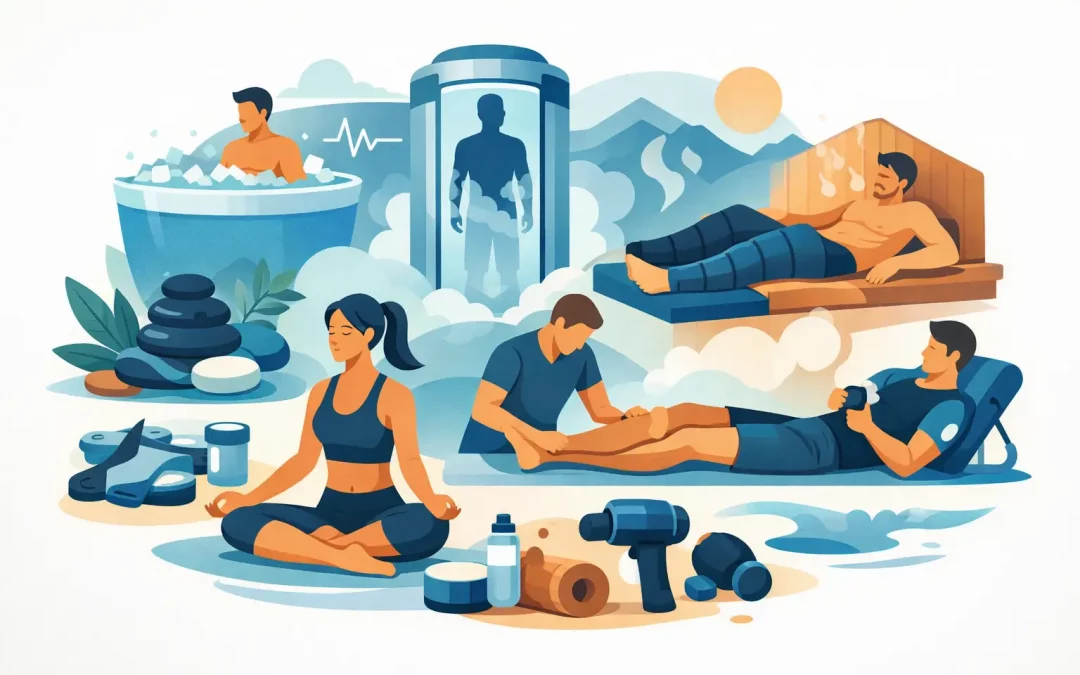
Cryotherapy has become one of the most talked-about recovery tools for a reason. Cold exposure can help reduce inflammation, calm soreness, and support quicker recovery after demanding training sessions. For athletes who often feel swollen, overheated, or heavy after exercise, it can be a powerful reset.
A well-timed cryotherapy session may be especially helpful after high-intensity work, competition, or periods of accumulated fatigue. Many athletes also like it because it is efficient. You can get meaningful recovery support without spending an hour on a complicated routine.
That said, timing matters. If your primary goal is maximizing certain strength or hypertrophy adaptations, frequent cold exposure immediately after training may not always be ideal. Some inflammation is part of the normal rebuilding process. This is where personalized planning matters. Cryotherapy is excellent for soreness management and recovery support, but like any good treatment, it works best when used with intention.
Compression therapy and circulation support
Compression-based recovery can be especially useful for athletes who deal with lower-body fatigue, fluid buildup, or that heavy-leg feeling after hard sessions. By supporting circulation and helping move stagnant fluid, compression therapy may leave you feeling lighter and less stiff.
This treatment often works well after running, cycling, field sports, and repeated lower-body training. It can also fit nicely into a broader routine that includes mobility and hydration. Compression is not flashy, but it is practical, comfortable, and easy to repeat consistently.
Its limitation is that it tends to be better for general recovery than for treating one highly specific problem area. If you are dealing with a targeted injury or sharp pain, compression alone is probably not enough. Think of it as a support treatment rather than a standalone solution.
Lymphatic support and massage-based recovery
When athletes think about recovery, they often focus on muscle soreness and forget about fluid movement. Lymphatic support matters because your body needs efficient drainage to clear waste products and manage inflammation well. If you feel puffy, sluggish, or unusually tight after exertion, your recovery may benefit from more than stretching.
Massage-based recovery and lymphatic-focused treatments can help reduce swelling, improve tissue comfort, and support a more refreshed post-workout feeling. This is particularly valuable during intense training blocks, after travel, or when your body feels backed up rather than simply sore.
Not all massage is created equal, though. Deep pressure can feel productive, but more pressure is not always better. Sometimes the body responds more effectively to gentler work that encourages drainage and downregulates tension instead of fighting against it. The best treatment is not the most aggressive one. It is the one your body can actually respond to.
Infrared sauna and heat therapy
Cold therapy gets a lot of attention, but heat still has a place in smart athletic recovery. Infrared sauna and other forms of heat therapy may help relax tight muscles, improve circulation, and support stress recovery. For athletes who carry chronic tension or feel stiff rather than inflamed, heat can be a better fit.
This option is often useful on rest days or after the initial post-workout inflammatory window has passed. It can also support mental recovery, which is often overlooked. A nervous system that never fully settles can slow physical recovery, even when everything else looks right on paper.
Still, heat is not the answer for every situation. If you are freshly injured, visibly swollen, or already overheated, adding more heat may make symptoms worse. The body gives clues. Good recovery is less about forcing a routine and more about responding intelligently.
Red light therapy and tissue support
Red light therapy has gained momentum in wellness and performance spaces because it offers a non-invasive way to support tissue recovery. It is commonly used to encourage cellular energy production, reduce discomfort, and promote healing in overworked or irritated areas.
For athletes, this can be appealing when recovery needs to happen without adding impact, friction, or significant stress. It may fit well for recurring overuse issues, localized soreness, or broader wellness support during heavy training periods.
Like many treatments, results depend on consistency and the condition being addressed. Red light therapy is not magic, and it is not a replacement for proper diagnosis when pain is persistent. But as part of a recovery plan, it can be a valuable low-stress option.
Mobility work and guided stretching
Some of the best recovery treatments for athletes are not passive at all. Mobility work and guided stretching can improve joint motion, reduce lingering stiffness, and help your body return to cleaner movement patterns after repetitive training.
This matters because soreness is not always just about tissue damage. Sometimes it is about compensation, restriction, and poor movement mechanics getting reinforced under fatigue. When mobility improves, recovery often feels better because the body is no longer fighting itself with every rep or stride.
The trade-off is that mobility only helps when it is targeted. Random stretching for ten minutes while scrolling your phone is not the same as guided recovery work based on your sport, training style, and problem areas. Precision gets better results than volume.
Sleep support and nervous system recovery
It may not sound like a treatment in the traditional sense, but sleep support belongs in any serious conversation about recovery. Deep sleep is where hormone regulation, tissue repair, and nervous system restoration really happen. If sleep quality is poor, every other recovery tool has less to work with.
Athletes often underestimate how much stress lives outside the gym. Work pressure, travel, family demands, and screen time all shape recovery capacity. If your body stays stuck in a high-alert state, soreness tends to linger and performance can feel flat.
Treatments that help calm the nervous system, lower tension, and promote a more restorative state can make a meaningful difference. Sometimes the best recovery decision is not another hard session or another supplement. It is creating the conditions where your body can finally repair.
How to choose the right recovery plan
The best recovery treatments for athletes are rarely one-size-fits-all. A smart plan considers your sport, current training intensity, pain points, schedule, and how your body typically responds.
If you mainly deal with inflammation and post-workout soreness, cryotherapy may be one of the strongest options. If fluid retention and leg fatigue are your main complaints, compression and lymphatic support may offer more relief. If chronic tightness is holding you back, heat therapy and mobility work may serve you better. Many athletes do best with a combination approach rather than betting on one modality.
This is also where customized wellness becomes valuable. Recovery is not just about fixing what hurts today. It is about building a body that can adapt, perform, and keep progressing. At Cryo Glow in Glastonbury, that means looking at recovery through a broader lens that supports performance, comfort, and long-term well-being instead of treating each symptom in isolation.
The goal is not to do every treatment. It is to choose the right ones at the right time so your recovery starts working as hard as you do.
The athletes who stay strongest over time are usually not the ones who push hardest every day. They are the ones who recover with intention, listen to their bodies, and treat restoration like part of performance itself.
 English
  Spanish