A hard workout, a puffy face, stubborn soreness, skin that feels less firm than it used to – these are different problems on the surface, but they often share one thing: inflammation, circulation changes, and stress on the body. That is why cold therapy benefits have gained so much attention among people who care about performance, appearance, and long-term wellness, not just athletes chasing recovery.
Cold therapy is simple in concept. Controlled exposure to cold temperatures encourages your body to respond, adapt, and repair. But the real value is not that cold is trendy. It is that targeted cold applications can support how you feel, how you move, and in some cases how your skin and body look. The key is understanding where it helps, where expectations should stay realistic, and why a personalized approach matters.
What cold therapy benefits really mean
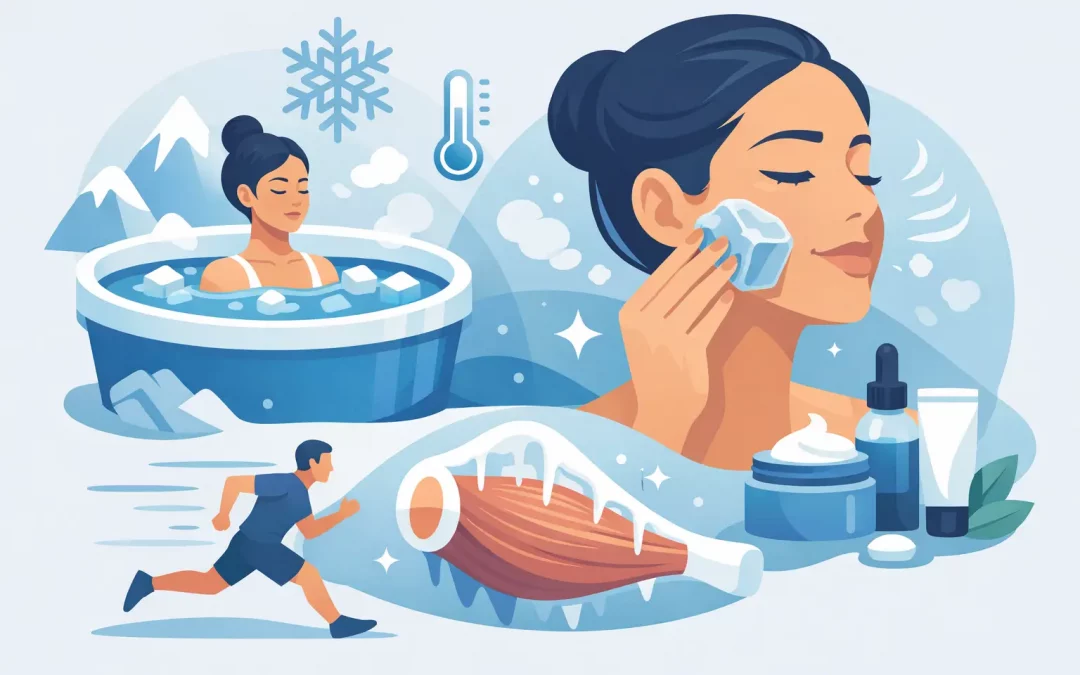
When people hear the phrase cold therapy benefits, they often think only about icing an injury. That is one piece of the picture, but modern cold therapy reaches further than that. It can be used to support post-workout recovery, reduce temporary inflammation, refresh tired-looking skin, and complement body-contouring or wellness plans.
Cold exposure causes blood vessels near the surface to constrict for a period of time. As the body warms again, circulation shifts. That response can help reduce puffiness, calm areas that feel irritated or overworked, and support a more refreshed appearance. Depending on the service, it may also stimulate the body in ways that leave people feeling more energized and clear-headed afterward.
This is where cold therapy stands apart from one-size-fits-all wellness trends. A facial cryotherapy session is not trying to do the same job as a sports recovery treatment or a cryo slimming protocol. The temperature, treatment area, and desired outcome all matter.
Recovery is one of the clearest cold therapy benefits
For active adults, one of the biggest reasons to use cold therapy is recovery. If you train regularly, play sports, or simply deal with recurring muscle fatigue, recovery is not a luxury. It is part of staying consistent.
Cold therapy may help calm post-exercise soreness and support a faster return to movement. That does not mean you will instantly feel brand new after every session. It means your body may get support in managing the inflammatory response that can leave you stiff, swollen, or slowed down after intense activity.
This matters for people who want to keep momentum. Missed workouts and lingering soreness can quietly disrupt progress. When recovery improves, training often becomes more sustainable. You are not just chasing less discomfort. You are protecting the routine that helps you feel strong, capable, and energized.
There is also a practical side to this. Recovery support can benefit athletes, but it also helps busy adults balancing exercise with work, parenting, and full schedules. If your legs feel heavy after a run or your shoulders stay tight after strength training, cold therapy may fit into your routine as a smart recovery tool rather than an occasional treat.
Cold therapy benefits for inflammation and pain support
Inflammation is not always bad. It is part of how the body heals. The issue is when it becomes excessive, uncomfortable, or persistent enough to interfere with daily life.
Cold therapy can help reduce temporary swelling and support pain relief in certain situations. That is one reason it is often used for sports-related discomfort, overuse issues, or general physical strain. Many people notice that targeted cold applications help quiet that heavy, irritated feeling in overworked areas.
Still, this is where nuance matters. Cold therapy is not a cure-all for every injury or chronic pain condition. Some issues need medical diagnosis, movement correction, or a broader treatment plan. The best use of cold therapy is often as part of a bigger strategy, especially when someone wants non-invasive support that fits alongside active recovery, mobility work, or wellness care.
For clients who prefer a more natural, body-supportive approach before jumping into more aggressive options, that can be a meaningful advantage.
Skin-focused cold therapy benefits go beyond a quick glow
One of the most appealing cold therapy benefits is what it can do for the skin. Cooling treatments are often associated with a tighter, brighter, more refreshed look, especially in the face. That appeal is not only cosmetic. It is about looking how you want to feel – awake, lifted, and cared for.
Cold can help reduce the appearance of puffiness and support firmer-looking skin in the short term. That is why facial cryotherapy is so popular before events or during periods when stress, poor sleep, or travel show up on the face. A treatment can leave skin looking more awake and refined, with a clean, toned appearance.
Over time, many clients are also drawn to cold-based skin services because they want non-invasive support for skin laxity and texture. Results vary based on age, skin condition, lifestyle, and treatment consistency. But for someone who wants to invest in skin health without surgery or significant downtime, cold therapy can be an appealing part of a modern aesthetic plan.
The emotional side of this matters too. When your skin looks fresher, you often carry yourself differently. Confidence is not superficial. It shapes how you show up.
Can cold therapy help with body contouring?
This is one of the most searched questions, and it deserves a clear answer. Certain cold therapy applications are used to target stubborn fat areas and support body contouring goals. The appeal is obvious: people want visible change without surgery, long recovery, or major interruption to daily life.
That said, body contouring works best when expectations are grounded. These treatments are not a substitute for nutrition, strength training, sleep, or overall lifestyle habits. They are best viewed as a targeted support option for areas that do not respond the way you want, even when you are already putting in the work.
For the right person, that can be powerful. If you are close to your goals but still frustrated by specific zones, cold-based slimming services may help support a more sculpted look. Pairing those treatments with lymphatic support and a personalized plan often makes more sense than treating body contouring as a stand-alone fix.
Energy, mood, and resilience are part of the picture
Not every benefit of cold therapy is visible in the mirror. Many people seek it out because they like how they feel afterward – more alert, more reset, less sluggish.
Cold exposure can feel invigorating. For some, it becomes part of a larger routine built around stress management, recovery, and wellness consistency. That does not mean every session creates a dramatic mood shift. It means the treatment can support the kind of physical reset that helps you reconnect with your body and feel more engaged in your day.
This is one reason cold therapy appeals to people focused on longevity and proactive wellness. They are not waiting for burnout, injury, or frustration to force change. They are building habits that support resilience before bigger issues take hold.
Why personalized treatment matters
The best results usually come from matching the treatment to the goal. Someone trying to reduce post-workout soreness needs a different protocol than someone focused on facial rejuvenation or skin tightening. Even two people with the same goal may respond differently based on body composition, activity level, circulation, and consistency.
That is why customization matters so much in a wellness setting. Cold therapy should feel intentional, not random. The body responds best when the treatment plan reflects what you are actually trying to change.
For clients in Glastonbury looking for that kind of individualized support, a studio like Cryo Glow can make the experience feel more strategic and less like guessing your way through trends. The value is not only in access to advanced services. It is in having those services aligned with your specific recovery, aesthetic, or wellness priorities.
Who may benefit most from cold therapy
Cold therapy tends to resonate with a wide range of people because the goals are often practical. Active adults may use it to recover better. Beauty-focused clients may want tighter-looking skin and less puffiness. People dealing with body-confidence plateaus may be interested in slimming or skin-tightening support. Others simply want to feel less inflamed, less tired, and more in control of their wellness routines.
It is not the right fit for everyone, and certain health conditions may call for extra caution or medical guidance. But for many people, the appeal is clear: non-invasive support, minimal downtime, and benefits that can touch recovery, confidence, and everyday well-being at once.
If you have been feeling stuck between wanting visible results and wanting a treatment approach that still respects your body, cold therapy is worth considering. Sometimes the smartest wellness upgrades are the ones that help you feel stronger, look fresher, and stay consistent enough to keep becoming the version of yourself you actually want to live as.
 English
  Spanish