A great cryotherapy treatment guide should do one thing well – help you decide whether cold therapy actually fits your goals, not just sell you on the idea of stepping into something freezing. If you are looking for better recovery, less inflammation, help with stubborn fat, firmer-looking skin, or a reset for your wellness routine, the real question is not whether cryotherapy is trendy. It is whether the right treatment, used the right way, can move you closer to feeling stronger, leaner, and more energized.
What cryotherapy actually does
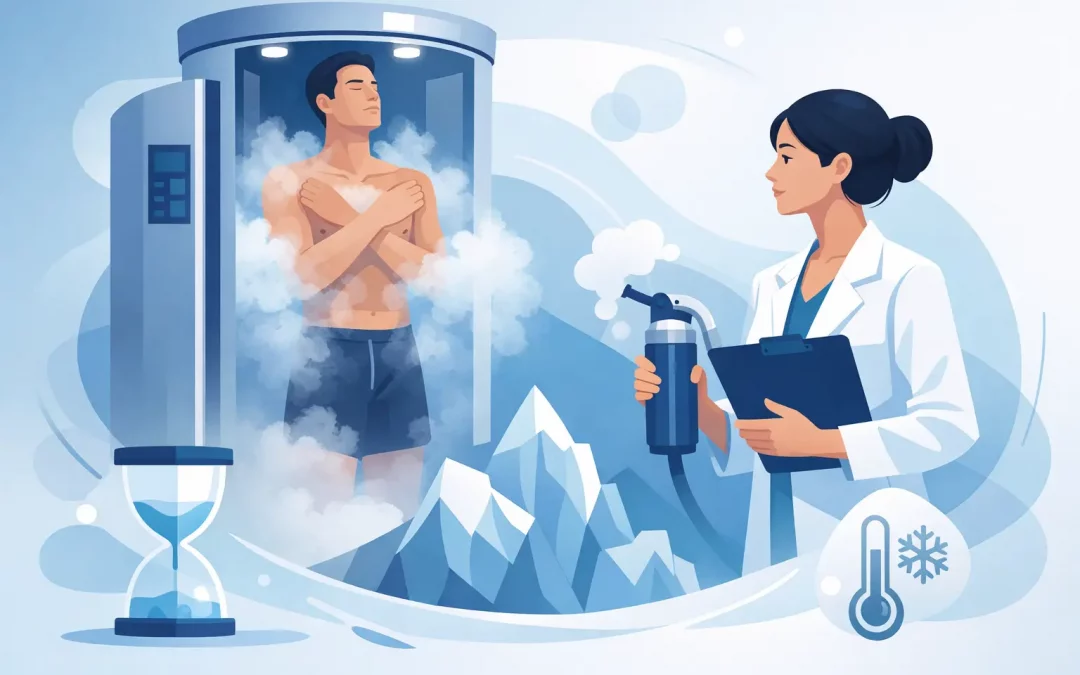
Cryotherapy uses controlled cold exposure to create a response in the body. Depending on the treatment, that response may support circulation, reduce inflammation, encourage recovery, or target specific aesthetic concerns. The key is that cryotherapy is not one single service. Whole-body cold exposure, localized cryotherapy, facial cryotherapy, cryo slimming, and skin-tightening treatments all work a little differently and are used for different outcomes.
That matters because expectations should match the method. If you want to bounce back after hard training, your plan may look very different from someone focused on body contouring or facial rejuvenation. Cold therapy can be powerful, but it is most effective when the treatment is customized instead of treated like a one-size-fits-all solution.
A cryotherapy treatment guide by goal
The easiest way to understand cryotherapy is to start with what you want to change.
For recovery and pain support
If your body feels heavy, inflamed, sore, or slow to recover, cryotherapy may help by calming irritation and supporting circulation patterns that promote recovery after the session. Many active adults use cold therapy after intense workouts, sports strain, or repetitive overuse. It can also be helpful for people who are not athletes at all but still deal with joint discomfort, muscle tension, or lingering soreness from daily life.
The trade-off is that recovery support often works best as part of a routine. One session can feel refreshing, but repeated treatments usually give a clearer picture of how your body responds.
For cryo slimming and body contouring
Cryo slimming treatments are designed for areas where fat feels resistant even when you are doing the right things. Think lower abdomen, flanks, thighs, or arms. These treatments are non-surgical and appeal to people who want visible shaping without downtime.
This is where honesty matters. Cryo slimming is not a substitute for nutrition, movement, or metabolic health. It is better viewed as a targeted support tool for contouring, especially when someone already has a stable routine and wants help with stubborn areas.
For skin tightening
Cold-based skin-tightening services are often chosen by clients who want a firmer look without invasive procedures. These treatments can support tone and texture and are commonly used on the face and body. Results depend on factors like skin quality, age, hydration, and consistency.
For some people, the biggest win is not dramatic change in one day. It is gradual improvement that looks natural and helps them feel more confident.
For facial refresh and skin care support
Facial cryotherapy is popular because it combines immediate glow with longer-term skin support. Many people notice reduced puffiness, a more awake appearance, and a smoother look after treatment. It is especially appealing before events or during times when stress, poor sleep, or inflammation are showing up on your face.
Still, cryotherapy facials are not a replacement for a full skin care strategy. They work best when paired with good habits and a treatment plan that fits your skin.
What to expect during a session
One reason people try cryotherapy is that appointments are typically quick and easy to fit into a busy week. The exact experience depends on the type of service, but most sessions are straightforward, guided, and designed around comfort and safety.
For localized treatments, the provider focuses cold therapy on a specific area. For aesthetic services, your session may be paired with techniques that support circulation or lymphatic movement. For facial treatments, the approach is more precise and often feels stimulating rather than harsh.
Most clients describe the cold as intense but manageable. It is not the same as sitting with an ice pack forever. Controlled cryotherapy is purposeful, time-limited, and structured around a clear treatment outcome.
Afterward, some people feel energized right away. Others notice benefits over the next several hours or days, especially with recovery-focused services. For body contouring and skin tightening, changes are usually more gradual.
How many sessions do you need?
This is where a practical cryotherapy treatment guide needs to be realistic. The answer is: it depends on your goal, your starting point, and how your body responds.
For soreness or recovery, some people benefit from occasional sessions around workouts or periods of physical stress. Others do better with a more regular rhythm. For slimming, skin tightening, and facial appearance, a series is often more effective than a one-time visit. The body tends to respond better to consistency than to random treatment.
A customized plan should also account for your lifestyle. If sleep is poor, stress is high, and recovery habits are inconsistent, cryotherapy can help, but it may not carry the whole load on its own. The best outcomes usually come from combining treatment with habits that support inflammation control, circulation, and metabolic health.
Is cryotherapy safe for everyone?
Cryotherapy is non-invasive, but that does not mean it is for every person in every situation. A good provider should review your health history, ask about goals, and make sure the treatment is appropriate before getting started.
People with certain medical conditions, cold sensitivity issues, circulation concerns, or other contraindications may need a different approach. This is one reason personalized care matters. Wellness should feel empowering, not rushed.
It is also worth saying that more is not always better. The goal is strategic treatment, not pushing your body past what makes sense. When cryotherapy is done thoughtfully, it can be a strong addition to your wellness or aesthetics plan. When it is treated casually, results and comfort can suffer.
How to know if cryotherapy is worth it for you
The strongest candidates for cryotherapy tend to be people who want support in a specific area and are willing to be consistent. Maybe you are training hard and recovery is lagging. Maybe your skin feels dull or puffy. Maybe you are frustrated by body areas that do not seem to respond to your efforts. Maybe you simply want a wellness routine that feels more proactive and personalized.
What makes cryotherapy worth the investment is not just the technology. It is the match between the treatment and the outcome you care about. If that match is off, even a good service can feel disappointing. If the match is right, the experience can become part of a bigger shift in how you care for your body.
That is especially true when treatments are planned with your full picture in mind – not just aesthetics, not just recovery, but how energy, inflammation, confidence, circulation, and long-term wellness connect.
Choosing the right provider
The quality of the provider shapes the quality of the result. You want someone who understands both the science and the strategy behind treatment selection. That means more than operating equipment. It means knowing when to recommend slimming versus skin tightening, when recovery support makes more sense than body contouring, and how to adjust a plan as your body changes.
A strong provider should also be clear about expectations. If you are promised instant transformation from a single session for every concern, that is a red flag. The best care is confident, but it is also honest.
For clients in the Glastonbury area, working with a studio that blends aesthetics, recovery, and wellness planning can be especially valuable because your goals rarely stay in one lane. You may come in wanting body contouring and realize inflammation, sluggish recovery, or lymphatic support are part of the bigger picture.
Getting the most from treatment
You do not need a perfect lifestyle to benefit from cryotherapy, but you will usually get more from it if you support your body between sessions. Hydration, movement, sleep, and steady nutrition all influence how you recover and how your body responds to contouring or skin-focused services.
It also helps to track what changes matter most to you. That could be less soreness after workouts, better energy, reduced puffiness, a firmer look, or improved confidence in your clothes. Visible change is important, but so is functional change. Often, the most satisfying results come when you notice both.
Cryotherapy works best when you stop thinking of it as a random add-on and start seeing it as targeted support for the body you are actively building. When your treatment plan reflects your real goals, cold therapy becomes less about chasing trends and more about creating momentum you can feel.
 English
  Spanish