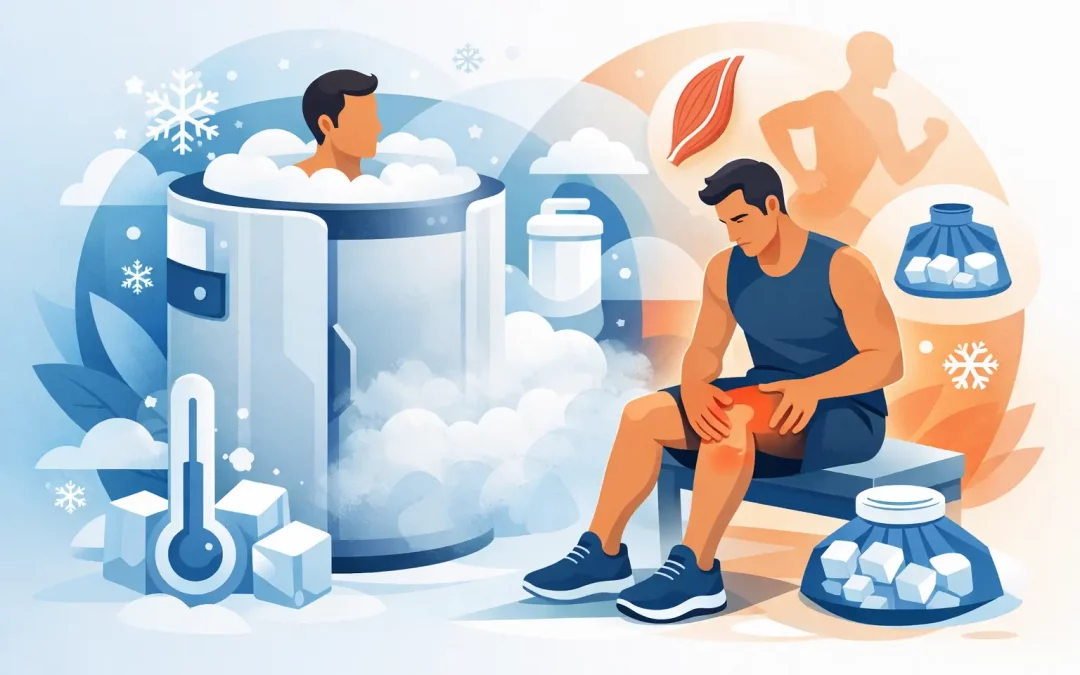
You crushed the workout, finished the long run, or pushed through a demanding week of training – and now your body is reminding you. If you are asking, does cryotherapy help soreness, the short answer is yes, it can. But the better answer is that it depends on the kind of soreness you have, when you use it, and what recovery outcome you actually want.
Cryotherapy has earned attention for a reason. Cold exposure can help calm inflammation, reduce pain signals, and make recovery feel more manageable after tough physical effort. For active adults, athletes, and anyone trying to stay consistent without being slowed down by aching muscles, that matters. The key is understanding what cryotherapy can realistically do, and what it cannot.
Does cryotherapy help soreness after exercise?
In many cases, yes. Cryotherapy may help reduce post-workout soreness, especially when soreness is linked to inflammation, tissue stress, or repetitive strain. Many people report that they feel less stiff, less heavy, and more ready to move after a cryotherapy session.
That benefit comes from how the body responds to cold. When you are exposed to very low temperatures for a short period, blood vessels constrict. This can help limit swelling and temporarily decrease the intensity of pain signals. After the session, circulation returns, which may support the body’s natural recovery process.
This is one reason cryotherapy is popular with runners, strength trainers, recreational athletes, and people who stay active but cannot afford to feel sidelined for days. If soreness is making it harder to train, work, or move comfortably, cold therapy can be a useful part of your recovery strategy.
What kind of soreness responds best to cryotherapy?
Not all soreness is the same. That is where expectations matter.
Delayed onset muscle soreness, often called DOMS, is the aching and stiffness that tends to peak a day or two after a hard workout. This type of soreness often responds well to cryotherapy because it is tied to microscopic muscle damage and an inflammatory response. You may not erase DOMS completely, but you can often reduce how intense it feels.
Cryotherapy may also help soreness tied to overuse, intense training blocks, or mild soft tissue irritation. If your legs feel heavy after sprint work or your shoulders are angry after upper body volume, cold therapy can offer welcome relief.
Where cryotherapy is less likely to be enough on its own is when soreness is really an injury. Sharp pain, swelling that keeps increasing, instability, bruising, or pain that changes how you move may point to something more serious than ordinary muscle soreness. In those cases, recovery needs a more complete plan.
Why cryotherapy can feel so effective
Part of cryotherapy’s value is physical, and part of it is practical. Physically, cold exposure can reduce discomfort and help settle the body after training. Practically, it is fast, non-invasive, and easy to fit into a busy routine.
That matters for people who are balancing workouts, work responsibilities, family life, and long-term wellness goals. Recovery only works when you actually do it. A short cryotherapy session can be easier to commit to than an hour of stretching, contrast baths, or trial-and-error recovery methods that do not fit your schedule.
There is also the nervous system effect. Many clients describe feeling refreshed, more energized, and mentally reset after cryotherapy. That may not be the same thing as tissue repair, but it still matters. When your body feels better, movement feels easier, and consistency becomes more realistic.
The trade-off: pain relief is not the same as healing
This is the part many people skip. Cryotherapy can make you feel better quickly, but feeling better does not always mean your body is fully recovered.
If you use cryotherapy after a hard session, you may notice less soreness and better mobility. That can be a real advantage. But if you treat that relief as proof you are ready to push at full intensity again, you may outpace your actual recovery.
There is also ongoing discussion in the fitness and sports world about whether too much cold exposure immediately after strength training could slightly blunt some training adaptations in certain situations. The concern is usually related to muscle hypertrophy and the role inflammation plays in adaptation. For most everyday clients, this is not a reason to avoid cryotherapy. It is simply a reminder that recovery should match your goal.
If your priority is getting through a busy training week, reducing soreness, and staying functional, cryotherapy can be very helpful. If your priority is maximizing every possible muscle-building signal after each lifting session, timing may matter more.
When to use cryotherapy for soreness
The best timing depends on what kind of soreness you are managing.
If you have just completed an intense workout and you know your body tends to tighten up afterward, using cryotherapy relatively soon may help reduce the severity of soreness. If soreness has already set in, a session can still help you feel looser and more comfortable, even if it is not stopping the process from happening.
For people in regular training, cryotherapy often works best as part of a consistent recovery rhythm rather than a last resort. In other words, it is often more effective when you use it proactively instead of waiting until your body feels wrecked.
That could mean scheduling sessions during higher-volume training weeks, after demanding lower-body days, or around events that place unusual stress on the body. If you know your patterns, you can recover more strategically.
Whole-body cryotherapy vs. local cryotherapy
If your soreness is widespread, like after a full-body workout or a long race, whole-body cryotherapy may make more sense. It exposes the body to extreme cold for a short time and is often chosen by people looking for a broad recovery effect.
If the issue is more specific, like one sore knee, shoulder, or calf, localized cryotherapy may be the better fit. Targeting a single area can be useful when discomfort is concentrated and you want a more focused approach.
This is where customized care matters. The best recovery plan is rarely one-size-fits-all. Your activity level, pain pattern, training schedule, and overall wellness goals all shape what kind of cryotherapy support makes sense.
What cryotherapy works best with
Cryotherapy is strongest when it is part of a bigger recovery picture. It is not a shortcut around sleep, hydration, good nutrition, or smart programming. It works best when those basics are already in place.
Light movement after a cryotherapy session can be especially helpful. A walk, mobility work, or low-intensity activity can help you take advantage of reduced stiffness without overloading the body again. Many people also pair cryotherapy with massage, stretching, or lymphatic-focused recovery methods when they want a more complete reset.
That blend of support is often where people notice the biggest difference – not just less soreness, but better readiness, steadier energy, and improved consistency over time.
So, does cryotherapy help soreness for everyone?
Not always in the same way. Some people feel a dramatic shift after one session. Others notice more subtle benefits, like easier movement the next day or less lingering heaviness in the muscles. Your training style, body chemistry, recovery habits, and baseline inflammation all influence the result.
It also depends on what you mean by help. If you expect cryotherapy to completely eliminate muscle soreness forever, that is unrealistic. If you want support that can reduce discomfort, improve recovery quality, and help you stay more consistent with your routine, that is a much more accurate expectation.
For many active adults, that is exactly the win they are looking for. Recovery is not about never feeling challenged. It is about giving your body the support it needs so soreness does not keep stealing momentum.
At a wellness-focused studio like Cryo Glow, that is the bigger picture – using advanced, non-invasive tools to help you feel stronger, recover smarter, and keep moving toward your goals with confidence.
If soreness has become your normal, it may be time to stop treating recovery like an afterthought. The right cold therapy plan will not replace the work you put into your body, but it can help your body return the favor.
 Spanish
  English