That heavy-legged, drained feeling a few hours after training is not just soreness – it is your body asking for support. If you want real progress, learning how to recover after workout sessions matters just as much as the workout itself. Recovery is where performance improves, inflammation settles, tissue repairs, and your body shifts from stress into strength.
A lot of people train hard but recover casually. They finish a run, lift, class, or sport practice, drink a little water, and assume the body will handle the rest. Sometimes it does. But if your energy is inconsistent, your soreness lingers, your sleep is off, or your results have stalled, your recovery strategy probably needs more attention.
How to recover after workout without slowing your progress
The goal is not to eliminate every sign of effort. Mild soreness can be part of training adaptation. The real goal is to recover well enough that your next session feels productive instead of punishing. That takes a mix of basics and targeted support.
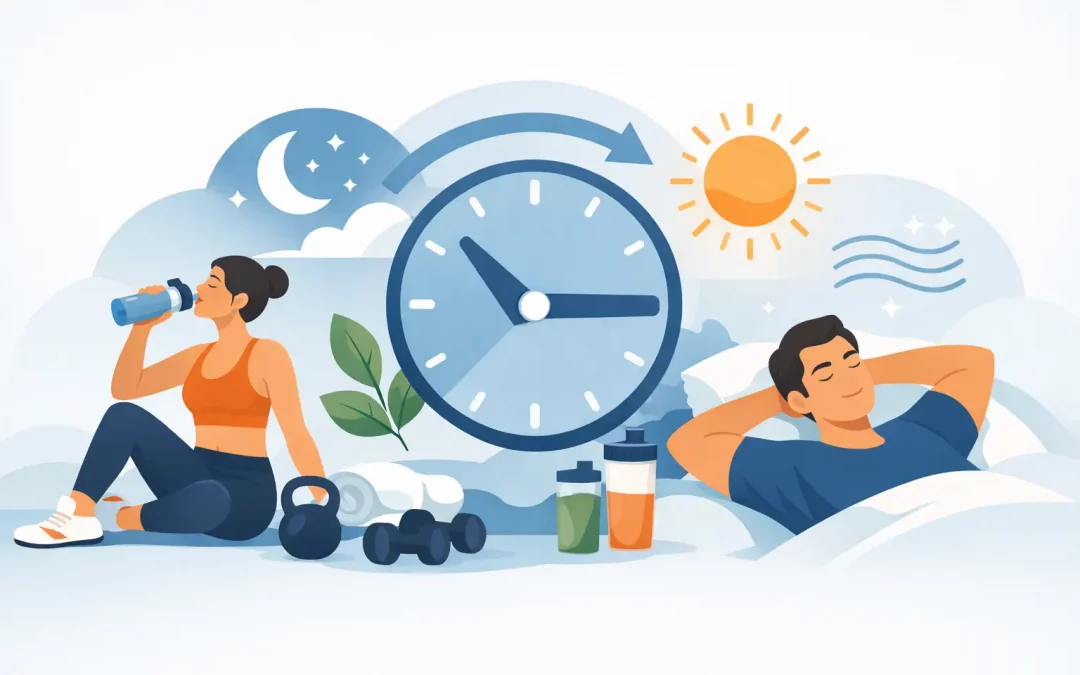
Start with hydration. Even mild dehydration can make fatigue, headaches, muscle tightness, and sluggish recovery feel worse. Water matters before, during, and after exercise, but what you need depends on how long you trained, how intensely you worked, and how much you sweat. Someone doing a 30-minute strength session has different needs than someone finishing a summer run or a high-intensity class.
Electrolytes can help when you lose a lot of fluid through sweat. Sodium, potassium, and magnesium play a role in muscle function and fluid balance. You do not need an overcomplicated routine, but you do need to replace what you use.
Nutrition is the next lever. After exercise, your body is primed to use protein for muscle repair and carbohydrates to restore glycogen. A balanced meal usually does more for recovery than chasing trendy supplements. Protein supports tissue repair. Carbs help replenish fuel. Healthy fats are still important, though they are not the star immediately after training. If your workout was short and light, timing is less urgent. If it was intense or long, eating within a reasonable window helps more.
Then there is sleep, the most underrated recovery tool in wellness. You can spend money on every recovery gadget available, but if your sleep is inconsistent, your body will struggle to keep up. Deep sleep supports hormone balance, tissue repair, nervous system recovery, and immune function. If you are training hard while sleeping poorly, you are asking your body to perform without enough repair time.
The recovery mistakes that keep people sore
Many active adults think they need to push through soreness at all costs. That mindset can work for a while, but it often turns into recurring tightness, nagging pain, or flat performance. Soreness is not always a badge of progress. Sometimes it is a sign that your body has not fully bounced back.
One common mistake is doing nothing after intense exercise. Stopping abruptly after a hard effort can leave you feeling stiff and heavy later. A short cool-down, easy walking, or light mobility work can help shift your system back toward recovery.
Another mistake is under-fueling because of body composition goals. If you are trying to lose fat, it can be tempting to cut calories too aggressively after training. But poor recovery can raise stress, reduce training quality, and make it harder to stay consistent. Recovery and body goals are not opposites. They work better together when the plan is smart.
There is also the issue of training intensity stacking up. Hard strength sessions, HIIT classes, long cardio, poor sleep, and daily stress can all pile onto the same nervous system. In that situation, more effort is not always the answer. Sometimes the body needs less intensity and more support.
What actually helps sore muscles recover
Movement still matters, even when you feel sore. Gentle activity increases circulation and can reduce that locked-up feeling better than total inactivity. A walk, light cycling, mobility flow, or easy stretching may help you recover faster than staying on the couch all day. The key word is gentle. This is not the time to turn recovery into another workout.
Soft tissue work can also be useful. Foam rolling, massage, and lymphatic-focused support may help reduce tension and improve how your body feels. The benefit varies from person to person. Some people respond well to more pressure, while others do better with lighter, circulation-based approaches.
Cold exposure is one of the most talked-about recovery tools for a reason. Cryotherapy and other cold-based recovery methods may help reduce inflammation, calm soreness, and support a faster return to activity. This can be especially appealing for people who train regularly, deal with repeated muscle fatigue, or want recovery support without adding another physical demand to the day.
That said, context matters. If your goal is adaptation from strength training, the timing and frequency of cold therapy may deserve more thought. Blunting inflammation immediately after every lifting session is not always ideal for every athlete. But for general soreness, back-to-back training days, sports recovery, or managing an inflamed, overworked feeling, cold therapy can be a valuable part of a more personalized plan.
How to recover after workout based on your training style
Not every workout creates the same recovery demand. Strength training usually creates microscopic muscle damage that needs repair. Endurance training often creates more fuel depletion and systemic fatigue. High-intensity interval work can stress both muscles and the nervous system. Recovery should reflect that.
If you lift weights, prioritize protein, sleep, and spacing intense muscle groups appropriately. You may feel ready to train again mentally before your tissues are fully recovered physically. That gap is where overuse can start.
If you do long cardio sessions, pay close attention to hydration and carbohydrates. Many runners and cyclists finish training under-fueled, then wonder why they feel wiped out for the rest of the day.
If you love HIIT or bootcamp-style classes, be honest about frequency. These workouts can be effective, but doing them too often with too little recovery can leave you inflamed, tired, and stuck. More intensity is not always more progress.
If you are recovering from recreational sports or minor injuries, the plan may need to be even more customized. Pushing through pain is different from training through effort. Recovery support becomes more than comfort at that point – it becomes part of staying active long term.
When advanced recovery support makes sense
There is a difference between basic recovery and strategic recovery. Basic recovery is water, food, sleep, and rest. Strategic recovery is using targeted methods when your lifestyle, goals, or physical demands ask for more.
This is where services like whole-body cryotherapy, localized cold therapy, and lymphatic support can fit naturally into a wellness routine. For active adults, aesthetic clients balancing workouts with body goals, and people managing inflammation or sports-related discomfort, these services can help bridge the gap between effort and recovery. They are not magic, and they do not replace the fundamentals. But they can make those fundamentals work better by helping your body feel less burdened.
At Cryo Glow, recovery is not treated like an afterthought. It is part of a larger view of performance, inflammation control, body confidence, and long-term wellness. That approach matters because your body does not separate beauty, energy, and recovery into different categories. Neither should your care.
Signs your body needs more recovery, not more discipline
If your motivation has dropped, your soreness lasts for days, your sleep feels restless, or your performance is slipping, your body may be asking for a recovery adjustment. Other signs include feeling unusually irritable, heavy during warm-ups, or stuck in a cycle where every session feels harder than it should.
This is where self-awareness matters more than toughness. Some days, your best move is to train. Other days, your smartest move is to recover on purpose so you can come back stronger. That is not losing momentum. That is protecting it.
A good recovery plan is not complicated. Hydrate consistently. Eat enough to repair and refuel. Sleep like it counts, because it does. Use light movement to stay loose. Add targeted support like cold therapy or lymphatic-focused care when your body needs more help managing inflammation, soreness, or fatigue.
The real win is not just getting through one hard workout. It is building a body that can keep showing up, performing well, and feeling good while you do it. Treat recovery like part of the result, not the reward after it.
 Spanish
  English