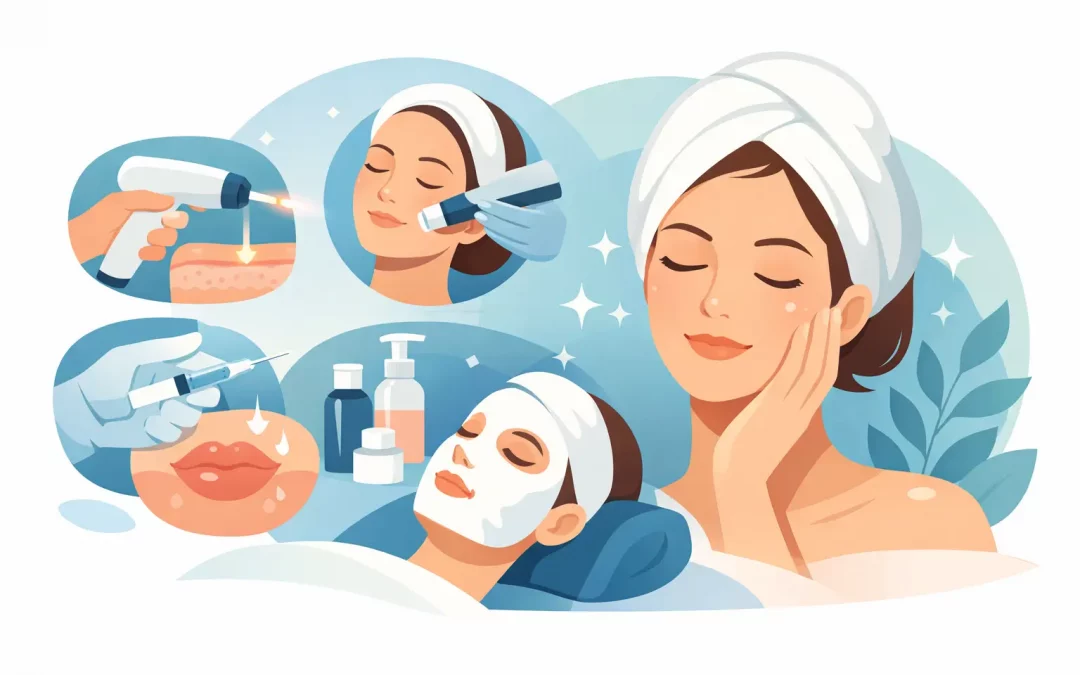
A tired face usually does not start with your skin alone. It often shows up after poor sleep, hard training blocks, stress, inflammation, travel, dehydration, or just the steady pace of life. That is why facial skin rejuvenation treatments matter to more than appearance. The right treatment can help your skin look brighter, feel smoother, and recover faster while supporting the way you want to feel in your body overall.
For many people, the goal is not to look different. It is to look more like themselves again – rested, lifted, clear, and energized. That shift is exactly why non-invasive options have become such a strong part of modern wellness and aesthetics.
What facial skin rejuvenation treatments actually do
Facial skin rejuvenation treatments are designed to improve skin tone, texture, firmness, and overall radiance without surgery. Depending on the method, they may target puffiness, dullness, fine lines, mild skin laxity, inflammation, or uneven appearance. Some treatments work by increasing circulation. Others focus on calming inflammation, supporting collagen production, encouraging lymphatic movement, or helping the skin recover from stress.
The most effective plans are rarely one-size-fits-all. Someone dealing with post-workout inflammation, facial puffiness, and a tired look may need a different approach than someone focused on skin tightening or early signs of aging. Your skin is part of a bigger system, so results tend to improve when treatment matches your lifestyle, recovery needs, and long-term goals.
Why non-invasive facial skin rejuvenation treatments appeal to busy adults
Most people want visible improvement without downtime, needles, or a complicated recovery window. That is where non-invasive facial skin rejuvenation treatments stand out. They fit real schedules, especially for active adults who want to work out, return to work, attend events, or stay consistent with their routine.
There is also a mindset shift happening. More clients now view aesthetic care as part of health optimization, not something separate from it. They want treatments that support circulation, recovery, skin health, and confidence at the same time. A glowing complexion feels great, but so does less puffiness, a calmer face, and that fresher look you get when your body is less inflamed.
The most common treatment categories
There is no single best treatment for everyone. The better question is what your skin is asking for right now.
Cryotherapy-based facial treatments are popular for clients who want a refreshed, tightened look with a cooling, invigorating feel. Cold exposure can help reduce visible puffiness, support circulation, calm inflammation, and leave skin looking more awake. For some people, this is especially useful before events, after travel, or during periods of stress when the face starts to look swollen or fatigued.
Skin-tightening treatments are often chosen when firmness is the main concern. These are typically used to support a more toned appearance in areas that may look looser over time. They tend to work best as part of a series rather than a single session, which is an important trade-off to understand if you are expecting dramatic change overnight.
Lymphatic-focused facial support is another strong option, especially when fluid retention is part of the problem. If your face looks heavy or puffy in the morning, after a salty weekend, or following long periods of sitting, stimulating lymphatic movement can make a noticeable difference in how defined and comfortable your skin feels.
Some people also combine rejuvenation treatments with broader wellness services because the skin often reflects what is happening internally. If inflammation is high, recovery is poor, or stress is constant, your face tends to show it.
What results can you realistically expect?
Good providers should be honest here. Results depend on your starting point, your consistency, and the type of treatment you choose.
A single session may leave skin looking brighter, less puffy, and more refreshed. That immediate effect is one reason facial treatments are so popular before social events, photos, or important meetings. But if your goal is firmer skin, smoother texture, or longer-term rejuvenation, you usually need repeated sessions and a plan that works with your skin rather than against it.
Lifestyle matters too. If you are sleeping poorly, under-eating protein, dehydrated, or constantly inflamed, no treatment will fully carry the load on its own. The best outcomes usually happen when in-studio care supports what you are already doing for recovery, hydration, movement, and nutrition.
How to choose the right treatment for your skin
Start with your primary concern, not the trend you saw online. If puffiness is the issue, your plan may look very different than it would for laxity or dullness. If your face looks tired after workouts or stressful weeks, recovery-based treatments may be more effective than aggressive approaches that leave skin irritated.
It also helps to think about your timeline. Are you looking for a quick refresh before an event, or are you building a skin plan for the next three months? Both are valid goals, but they require different expectations.
Then consider your comfort level. Some clients want the most natural, non-invasive route possible. Others are open to stronger interventions. Neither is wrong. What matters is choosing an option that fits your body, your schedule, and your consistency. The best treatment is often the one you will actually maintain.
Why cold therapy has a place in modern skin care
Cold therapy brings something unique to facial aesthetics because it sits at the intersection of beauty, recovery, and wellness. That matters for clients who do not want skin care to feel disconnected from the rest of their health goals.
A well-executed cryo facial experience can help the face look tighter, more sculpted, and less inflamed while creating an energizing reset. For active adults, professionals, and anyone managing high-output days, that combination is powerful. You are not just chasing glow. You are supporting recovery and appearance together.
This is also why Cryo Glow’s approach resonates with clients who want more than a surface-level treatment. When skin services are part of a customized wellness strategy, they can feel more purposeful and more sustainable.
When a customized plan matters most
Customization becomes especially important if your skin concerns are tied to patterns rather than isolated moments. Maybe your face always looks puffy after travel. Maybe your skin gets dull during intense training cycles. Maybe stress shows up as tension, swelling, and a tired complexion. In those cases, random treatments are less useful than a plan built around your triggers and goals.
A strong provider should ask questions about lifestyle, inflammation, recovery, and timing. They should also explain whether your goals are best addressed with one treatment, a package, or a combined approach. That kind of guidance builds trust because it puts outcomes ahead of hype.
Who benefits most from facial skin rejuvenation treatments?
These treatments are a strong fit for adults who want visible improvement without stepping into surgery or extended downtime. They also appeal to people who care about prevention. You do not need deep wrinkles or major skin laxity to benefit. In fact, many clients start because they want to stay ahead of changes, not scramble after them.
They are especially helpful for people who live active, high-demand lives and want their face to reflect how good they feel when their recovery is on point. If you care about skin tone, facial definition, and looking less drained, non-invasive rejuvenation can be a smart investment.
That said, treatment selection still matters. If someone has advanced skin concerns, severe laxity, or expectations that only surgery can meet, a non-invasive option may not deliver the level of change they are imagining. Good care includes clear boundaries.
A better way to think about skin results
The old model of aesthetics was often about fixing flaws. A better model is support. Support circulation. Support collagen. Support lymphatic flow. Support recovery. Support confidence. When you think of your skin this way, the goal shifts from chasing perfection to creating healthier conditions for visible improvement.
That is also why the best facial treatments tend to feel like an investment in momentum. You leave looking better, but you also leave feeling recharged, which makes it easier to stay consistent with the habits that help your skin over time.
If your face has been telling the story of stress, fatigue, or inflammation lately, that is not a sign to do more to yourself. It may be a sign to care for yourself more strategically.
 English
  Spanish