The moment your body feels inflamed, sore, puffy, or simply run down, the question becomes practical fast: cryotherapy vs ice bath – which one actually gives you the result you want? Both use cold exposure, but they do not feel the same, target the body in the same way, or fit the same lifestyle. If you care about recovery, visible body benefits, and smarter wellness choices, the difference matters.
For some people, an ice bath feels like a badge of discipline. For others, whole-body cryotherapy feels like a more efficient, more modern way to reduce inflammation and reset the body without sitting in freezing water for several minutes. The right option depends on your goal, your tolerance, and what kind of experience you want from your wellness routine.
Cryotherapy vs ice bath: the core difference
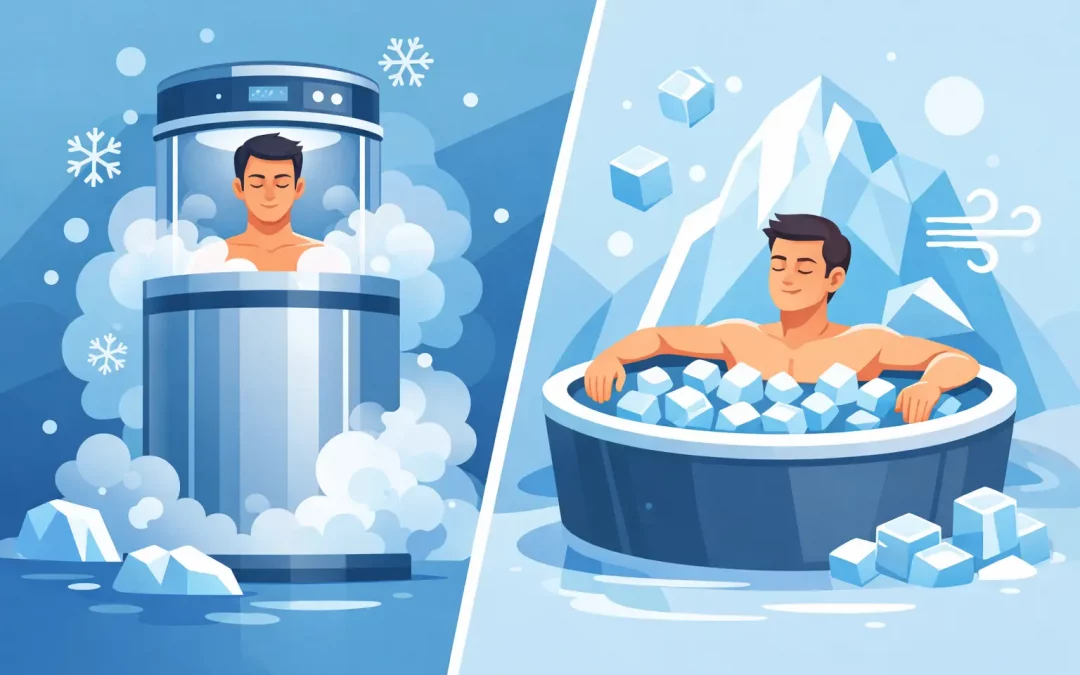
At the simplest level, an ice bath cools the body through direct contact with cold water, while cryotherapy exposes the body to extremely cold air for a short session. That difference changes everything.
In an ice bath, your body is submerged in cold water, often for several minutes at temperatures that are uncomfortable by design. Water transfers cold very efficiently, so the exposure can feel intense and heavy. Cryotherapy sessions are much shorter, usually around two to three minutes, and the body is exposed to dry cold rather than wet cold. Many people find that dry cold feels more tolerable, even when the air temperature is dramatically lower.
That does not mean one is universally better. It means the mechanism, comfort level, and use case are different. If you want at-home cold exposure with minimal equipment costs over time, an ice bath may appeal to you. If you want a targeted, time-efficient experience that supports recovery, circulation, and body-focused wellness goals, cryotherapy often fits better.
What each option is best at
Ice baths are often associated with muscle soreness after hard training. Athletes and weekend warriors use them to blunt post-workout discomfort and create a mental challenge around resilience. They can be effective for acute soreness, especially after intense physical exertion.
Cryotherapy is also used for recovery, but it tends to serve a broader wellness audience. Beyond soreness support, many clients seek it out for inflammation management, energy, circulation, skin appearance, body contouring support, and a general sense of rejuvenation. That wider appeal is one reason cryotherapy has moved beyond athletic spaces and into performance, beauty, and longevity conversations.
If your goal is simply to sit in cold water after leg day, an ice bath can do that. If your goal includes feeling refreshed, supporting skin-tightening treatments, reducing puffiness, or integrating cold therapy into a more customized wellness plan, cryotherapy offers more flexibility.
Recovery and inflammation
This is where the comparison gets most attention. Both methods may help reduce the feeling of soreness and temporarily calm inflammation. Cold exposure causes blood vessels to constrict, which can help decrease swelling in the short term. After the session ends, circulation shifts again, and many people report feeling lighter, looser, and more energized.
The difference is in the experience and repeatability. Ice baths can be effective, but they are demanding. The setup is inconvenient, the exposure is longer, and the discomfort can make consistency hard. Cryotherapy is easier to fit into a packed schedule, which matters because wellness results often depend on what you can actually maintain.
Skin, puffiness, and body-focused goals
This is where cryotherapy tends to stand apart. Ice baths are not usually chosen for aesthetic outcomes. Cryotherapy, on the other hand, is often part of a bigger self-care strategy that includes skin support, circulation enhancement, temporary tightening effects, and body confidence goals.
Cold exposure can help reduce puffiness and leave the skin looking more refreshed. In a studio setting, cryotherapy may also be paired with services that support slimming, recovery, and skin-focused outcomes. That makes it more appealing to clients who do not separate beauty from wellness. They want to look better, recover better, and feel better at the same time.
Which feels better?
Most people assume cryotherapy must feel harsher because the temperature is lower. In practice, many find the opposite. Dry cold is sharp but brief. Ice baths are less extreme on paper, but the water exposure can feel harder to endure because cold water pulls heat from the body more aggressively and clings to you the entire time.
There is also the issue of after-feel. After an ice bath, some people feel heavy, stiff, or drained before they feel recovered. After cryotherapy, people often describe a faster rebound and a more energized sensation. That may not be everyone’s experience, but it is a common reason people choose cryotherapy when they want benefits without the drag.
Comfort is not a minor detail. The best recovery tool is often the one you will actually use consistently.
Safety and supervision matter
Neither option should be treated casually. Cold exposure places stress on the body, and more is not always better.
Ice baths done at home can be appealing because they seem simple, but there is more room for error. Water temperature, immersion time, and individual health status all matter. Staying in too long or using water that is too cold can create real risk, especially for people with cardiovascular concerns, circulation issues, or certain medical conditions.
Cryotherapy also requires screening and proper protocols, but in a professional setting, the experience is guided. That can make a major difference for someone new to cold therapy or someone using it as part of a broader wellness plan. A supervised environment helps align the treatment with your actual goals instead of turning cold exposure into a guess.
Cost, convenience, and lifestyle fit
If you already have a tub setup at home, an ice bath may seem more cost-effective. But cost is only one part of value. You also have to consider preparation time, cleanup, consistency, and whether the process fits your day.
Cryotherapy usually costs more per session, but it saves time and requires almost no effort from the client beyond showing up. For busy adults balancing work, workouts, recovery, and family life, that convenience can be the deciding factor. A three-minute session is easier to repeat than filling a tub with ice and mentally preparing to sit in it.
This is especially true for people who do not identify as hardcore athletes but still want the benefits of cold therapy. If your life is full and your wellness routine has to work in the real world, convenience becomes part of the outcome.
Cryotherapy vs ice bath for different goals
If you are training hard and want a low-cost way to manage soreness, an ice bath may be enough. If you value the ritual and do not mind the discomfort, it can absolutely have a place.
If you want recovery support with less hassle, cryotherapy is often the better fit. If you are also interested in inflammation reduction, energy, skin refreshment, or body-care services that support confidence and performance together, cryotherapy offers more than a basic cold plunge experience.
For clients focused on beauty and wellness at the same time, the choice is usually clearer. An ice bath is mostly a recovery tool. Cryotherapy can be part of a more complete transformation strategy.
When ice baths make sense
Ice baths can make sense after especially demanding training blocks, for people who enjoy structured recovery routines, or for those who want an inexpensive at-home option. They may also appeal to people drawn to the mental challenge of discomfort.
Still, they are not ideal for everyone. If you dread them, skip them, or feel wiped out afterward, the theory matters less than the reality.
When cryotherapy makes more sense
Cryotherapy often makes more sense for people who want efficient recovery, support for inflammation, a less messy experience, and benefits that extend beyond post-workout soreness. It also fits well for clients who are investing in skin tightening, cryo slimming support, or a customized wellness plan rather than a one-size-fits-all cold plunge.
For many health-conscious adults, especially those balancing aesthetics, recovery, and longevity, that combination is what makes cryotherapy feel worth it.
So which one works better?
The honest answer is that better depends on what you mean by works. If your standard is pure cold-water immersion for muscle soreness and you want to do it yourself, an ice bath can work. If your standard is comfort, efficiency, consistency, and a more elevated recovery and wellness experience, cryotherapy usually comes out ahead.
That is why so many people move from curiosity about cold exposure to a more intentional cryotherapy routine. They are not just trying to survive the cold. They want to feel restored, look refreshed, and support a body that performs well and ages well.
If you are choosing between cryotherapy vs ice bath, start with your real goal, not the trend. The best cold therapy is the one that fits your body, your schedule, and the version of yourself you are actively building.
 English
  Spanish