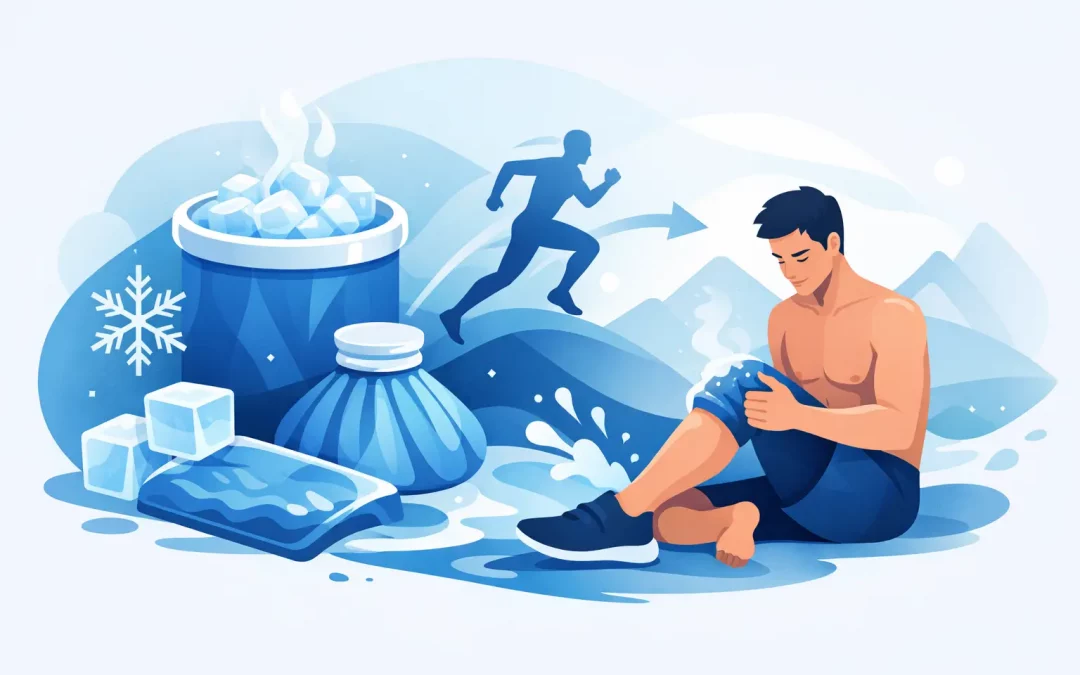
That heavy, swollen, not-quite-right feeling after a hard workout or a long week of physical stress is your body asking for support. How cold therapy supports recovery comes down to one simple idea: strategic cold exposure helps calm inflammation, reduce soreness, and give your body a better environment to repair itself.
For active adults, athletes, and anyone managing pain, that matters. Recovery is not just about getting through soreness. It affects how you move, how you sleep, how quickly you can train again, and how confident you feel in your body. When recovery improves, performance, comfort, and consistency usually improve with it.
How cold therapy supports recovery in the body
Cold therapy works by exposing the body or a targeted area to low temperatures for a short period of time. That temperature shift causes blood vessels to constrict, which can help limit excess swelling and reduce the immediate inflammatory response after physical strain. When the body warms back up, circulation increases again, which may support nutrient delivery and tissue repair.
This is one reason people often notice less puffiness, less tenderness, and a lighter feeling in the treated area. The cold also affects nerve activity, which can dull pain signals and make sore muscles or irritated joints feel more manageable.
There is also a nervous system component that people do not always expect. Cold exposure can create a wake-up effect that helps some clients feel more energized and mentally reset. That does not replace tissue healing, but it can change how your body feels during the recovery process.
Why inflammation is both helpful and tricky
Inflammation gets talked about like it is always the enemy, but that is not the full story. Some inflammation is a normal part of healing. Your body uses it to respond to stress, repair tissue, and adapt to training.
The problem is when inflammation becomes excessive, lingers too long, or shows up on top of an already overloaded system. In those cases, swelling, pain, and stiffness can make it harder to recover well. Cold therapy may help bring that response back into a more productive range.
This is where personalization matters. If you are recovering from a tough leg day, a localized strain, repetitive-use soreness, or general body fatigue, your ideal approach may not look the same. The best recovery plans consider your activity level, your goals, and whether you need relief, faster turnaround, or both.
What cold therapy can help you recover from
The most obvious use is post-workout soreness. After strength training, running, HIIT, or sports practice, muscles can feel inflamed and heavy. Cold therapy may help reduce delayed onset muscle soreness, especially when used as part of a broader recovery routine.
It can also be useful for joint irritation and overuse patterns. If your knees, shoulders, elbows, or lower back tend to flare up after activity, cold therapy can help calm those areas and make movement feel easier. For some people, that means getting back to training faster. For others, it means simply getting through the day with less discomfort.
Recovery is not only for athletes, either. Long hours on your feet, physically demanding work, poor sleep, travel, and chronic stress all create wear and tear. Cold therapy can support people who feel rundown, swollen, or stuck in a cycle of tension and fatigue.
The difference between icing at home and professional cold therapy
An ice pack can absolutely have a place. It is accessible, familiar, and useful for short-term relief in a specific area. But it is also limited. Home icing is often inconsistent, too brief, too long, or not applied in the most effective way.
Professional cold therapy is designed to be more controlled and intentional. Depending on the service, it may treat the whole body or a targeted region with a level of precision that is difficult to recreate at home. That matters when your goal is not just temporary numbing, but a more complete recovery experience.
In a wellness setting, cold therapy is also often paired with services that support circulation, lymphatic movement, skin tightening, or body contouring. That combination is part of what makes it appealing for people who want recovery benefits and visible body-care results at the same time.
When cold therapy makes the most sense
Timing can change the outcome. For acute soreness, swelling, or irritation after intense exercise, cold therapy is often most useful soon after the stress occurs. That is when the body is actively responding and tissues may be feeling hot, tender, or inflamed.
But there are also cases where cold therapy supports recovery later in the process. If you are dealing with lingering soreness, recurring puffiness, or a body that still feels taxed days after activity, it may still help reduce discomfort and improve how you feel moving forward.
What matters most is the reason you are using it. If the goal is to calm a flare-up, the protocol may be different than if the goal is to stay consistent with training, improve overall wellness, or support a long-term body transformation plan.
How cold therapy supports recovery without replacing the basics
Cold therapy is powerful, but it is not magic. If you are under-sleeping, under-eating, overtraining, and running on stress, one session will not erase that load. Recovery still depends on hydration, sleep quality, mobility, smart training, and enough time between high-intensity efforts.
That said, the right treatment can make those basics work better. When soreness drops, it is easier to move. When pain eases, sleep may improve. When swelling decreases, your body can feel less stuck and more responsive. Good recovery tools do not replace healthy habits. They make it easier to stay consistent with them.
This is also why customized care matters. The most effective wellness approach looks at the full picture instead of isolating one symptom. Someone seeking relief after heavy training may need something different than someone dealing with inflammation, skin laxity, sluggish lymphatic flow, or post-exercise puffiness.
Who should be careful with cold therapy
Cold therapy is generally well tolerated, but it is not right for everyone in every situation. People with certain circulation issues, cold sensitivities, nerve conditions, or medical concerns should get guidance before starting. If an injury is severe, unexplained, or worsening, it is smarter to get evaluated than to self-treat and hope for the best.
There is also an important training-related nuance. Some research suggests that heavy use of cold therapy immediately after every strength session may slightly blunt some long-term muscle adaptation in certain cases. That does not mean cold therapy is bad for lifters. It means the best protocol depends on your goal.
If you are deep in a muscle-building phase and not dealing with major soreness or swelling, you may not need aggressive post-workout cold every time. If you are trying to reduce pain, stay mobile, recover between events, or manage inflammation, it can be a much stronger fit. Recovery is rarely one-size-fits-all.
Recovery that supports confidence, not just comfort
One reason people are drawn to modern cryotherapy is that it does more than address soreness. It supports how you feel in your body. Less swelling, improved comfort, and better recovery can influence movement, energy, and even appearance.
That overlap matters. When your body feels less inflamed and more supported, it is easier to train, easier to stay on track with your wellness goals, and easier to feel good showing up for yourself. For many people, recovery is not separate from aesthetics or health optimization. It is part of the same bigger picture.
At Cryo Glow, that perspective is part of the appeal. Recovery, body care, and wellness are treated as connected, not compartmentalized. For clients who want a personalized plan rather than a generic fix, that can make the experience feel more useful and more sustainable.
If your body has been asking for a reset, cold therapy may be the support that helps you move from inflamed and drained to restored and ready again.
 English
  Spanish