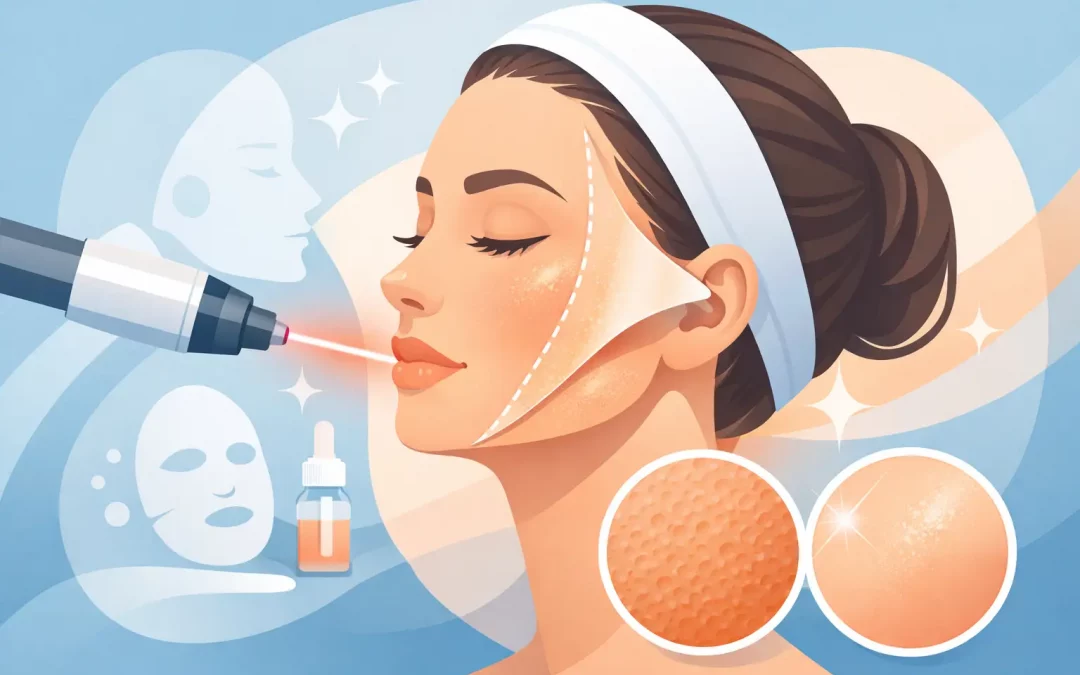
A dull complexion, uneven texture, acne marks that linger longer than they should – these are usually the moments when people start asking, what is facial skin resurfacing, and is it worth it? The short answer is yes, for the right skin concerns and the right treatment plan. Facial skin resurfacing is a broad category of treatments designed to improve the surface of the skin by encouraging old, damaged skin cells to shed and healthier skin to emerge.
That sounds simple, but the real value is in what resurfacing can target. Depending on the method, it may help soften fine lines, improve rough texture, reduce the look of acne scars, fade sun damage, minimize enlarged pores, and support a smoother, brighter, more even-looking complexion. For people who want visible skin renewal without guessing their way through trending products, resurfacing is often where real progress begins.
What is facial skin resurfacing and how does it work?
Facial skin resurfacing is any treatment that intentionally renews the outer layers of the skin to improve tone, texture, and overall appearance. Some methods work by removing damaged surface cells. Others stimulate collagen production deeper in the skin. Many do both.
Your skin is always turning over, but that process slows with age, stress, sun exposure, inflammation, and environmental wear. When old skin cells build up, the face can start to look tired, uneven, rough, or less firm. Resurfacing helps reset that cycle.
The exact mechanism depends on the treatment. Chemical peels use acids to exfoliate the skin in a controlled way. Laser resurfacing uses targeted light energy to remove or heat layers of skin. Microdermabrasion physically exfoliates the surface. Microneedling creates tiny controlled injuries that trigger collagen repair. Some non-invasive facial technologies also support resurfacing by increasing circulation, calming inflammation, and improving how the skin recovers after treatment.
That last point matters. Skin renewal is not just about removing the old. It is also about giving the skin the right conditions to rebuild well.
What facial skin resurfacing can improve
Most people consider resurfacing because their skin no longer reflects how healthy or energized they feel. The concerns vary, but the goal is usually the same – smoother, clearer, fresher-looking skin.
Facial skin resurfacing can help improve fine lines, especially around the eyes and mouth. It can soften post-acne marks and certain shallow scars. It may reduce visible sun damage, age spots, and uneven pigmentation, though deeper pigment issues need a careful approach. Many people also notice better skin texture, more radiance, and a firmer look over time as collagen support improves.
Results depend on the treatment type, your skin condition, and how consistent you are with aftercare. A lighter resurfacing treatment may refresh the skin with little downtime but offer more subtle change. A stronger treatment can create more dramatic results but usually comes with a longer recovery period.
This is where customization matters. The best treatment is not the strongest one. It is the one that matches your skin goals, lifestyle, and tolerance for downtime.
Types of facial skin resurfacing treatments
There is no single resurfacing treatment that works for everyone. Skin type, sensitivity, age, underlying inflammation, pigment history, and desired outcome all affect what makes sense.
Chemical peels
Chemical peels use exfoliating acids to remove damaged skin cells and stimulate renewal. Light peels can brighten the skin and improve minor texture issues with minimal downtime. Medium and deeper peels go further, often targeting pigmentation, fine lines, and more visible surface damage.
Peels can be effective, but they are not one-size-fits-all. Sensitive or reactive skin may need a gentler plan. People prone to hyperpigmentation need thoughtful treatment selection and prep.
Laser resurfacing
Laser treatments use focused light energy to treat the skin at different depths. Some lasers remove layers of skin for more dramatic resurfacing. Others are non-ablative, which means they heat the skin without removing the top layer, helping stimulate collagen with less downtime.
Laser resurfacing can be powerful for wrinkles, scars, and sun damage, but recovery and risk vary. The stronger the treatment, the more important proper screening and aftercare become.
Microneedling
Microneedling creates controlled micro-injuries that trigger the skin’s natural healing response. This boosts collagen and elastin production and can improve texture, pores, fine lines, and mild scarring.
It is often favored by people who want skin rejuvenation with moderate downtime. It can also pair well with broader wellness-focused skin plans because it supports the body’s repair mechanisms rather than relying only on aggressive exfoliation.
Microdermabrasion and gentle exfoliating facials
These treatments focus more on surface-level renewal. They can smooth rough texture, brighten dull skin, and support product absorption. While they will not deliver the same change as deeper resurfacing treatments, they can be a smart option for maintenance or for people who want a lighter refresh.
Who is a good candidate for facial skin resurfacing?
If your skin feels rough, looks tired, or shows lingering signs of acne, sun exposure, or early aging, you may be a good candidate. People who want to improve skin quality without surgery often do well with resurfacing, especially when they are realistic about timing and results.
That said, not every treatment fits every face. Active acne breakouts, certain skin conditions, recent tanning, pregnancy, use of specific medications, or a history of pigment changes can all influence what is safe. Darker skin tones can absolutely benefit from resurfacing, but treatment selection needs extra care to reduce the risk of unwanted pigmentation.
A good provider will look at more than your skin surface. They should also consider inflammation levels, sensitivity, lifestyle, recovery capacity, and what you actually want to see change.
What to expect before and after treatment
Before resurfacing, your provider may ask you to pause certain active skincare products, avoid sun exposure, and prepare the skin with specific home care. This step is easy to underestimate, but it can directly affect how evenly your skin responds.
During treatment, what you feel depends on the method. Some resurfacing treatments feel like light scratching, warmth, or tingling. Others are more intense and may require numbing. A quick, no-downtime treatment is very different from a deeper corrective session.
Afterward, the skin may look pink, feel tight, flake, or peel. Mild treatments may settle within a day or two. More intensive treatments can require a week or longer of visible recovery. Sun protection is essential. So is patience. Fresh skin is vulnerable skin, and healing well is part of getting a good result.
Results, maintenance, and the role of consistency
One treatment can make a difference, but long-term skin transformation usually comes from a series. That is especially true for concerns like acne scarring, fine lines, and uneven texture. Skin remodeling takes time.
This is where many people get frustrated. They want one appointment to erase years of damage. Sometimes you will see an immediate glow, but deeper improvements often develop gradually as collagen rebuilds and cell turnover improves.
Maintenance matters too. If you continue unprotected sun exposure, use irritating skincare, or ignore inflammation and hydration, your results may fade faster. The best outcomes usually come from pairing resurfacing with a smart routine and treatments that support circulation, recovery, and skin health overall.
For many wellness-minded clients, that broader approach is what makes the difference. Skin responds better when the body is not constantly fighting stress, inflammation, and poor recovery.
Is facial skin resurfacing worth it?
If your goal is smoother texture, more even tone, or healthier-looking skin without surgery, facial skin resurfacing can absolutely be worth it. It offers a path to visible change that at-home skincare often cannot match on its own.
But worth it does not always mean dramatic. It means appropriate. A lighter treatment may be worth it because it fits your schedule and keeps your skin consistently fresh. A deeper treatment may be worth it because you are targeting more advanced signs of aging or scarring. The right answer depends on your skin, your goals, and how much downtime you are willing to accept.
If you are already investing in your health, recovery, and confidence, resurfacing can be a natural extension of that mindset. At Cryo Glow, that kind of personalized thinking matters because skin results are rarely about one isolated treatment. They are about choosing options that support how you want to look, feel, and age.
The best next step is not chasing the most intense treatment on the menu. It is finding the resurfacing approach that respects your skin, fits your lifestyle, and helps you move forward with confidence.
 English
  Spanish